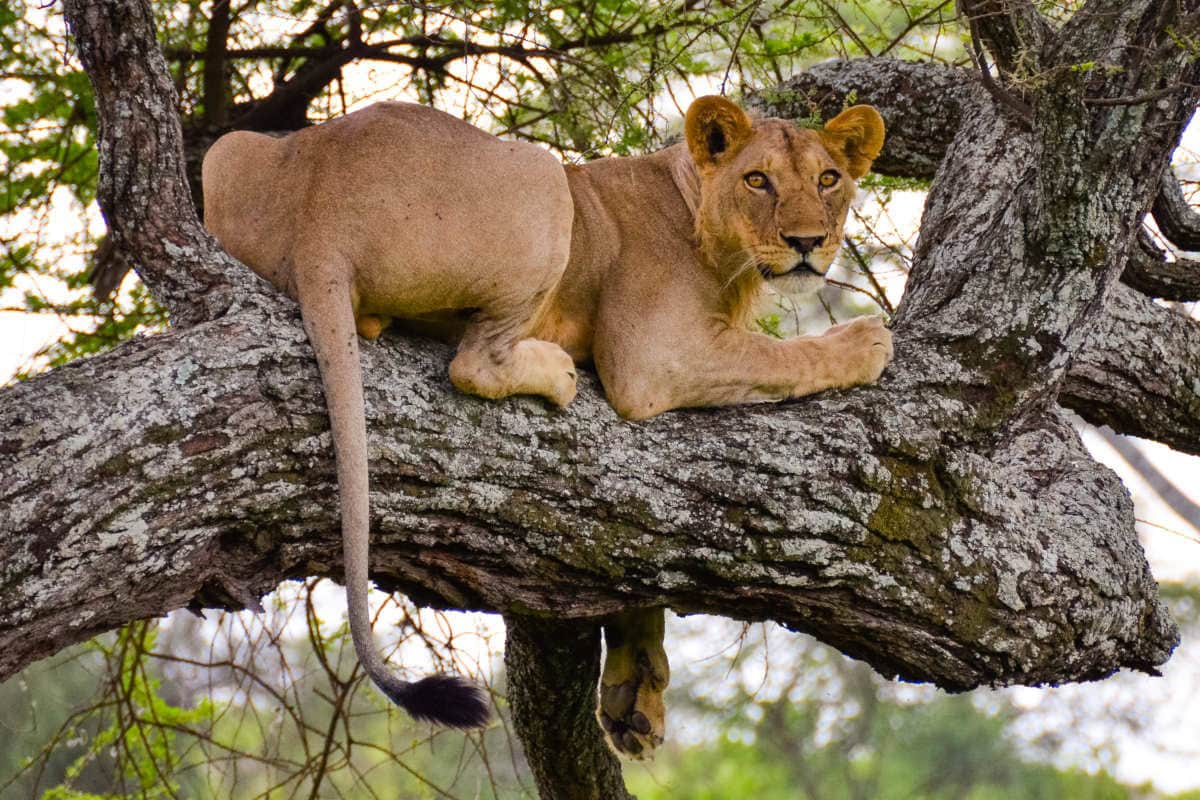
Walking Safari in Tanzania
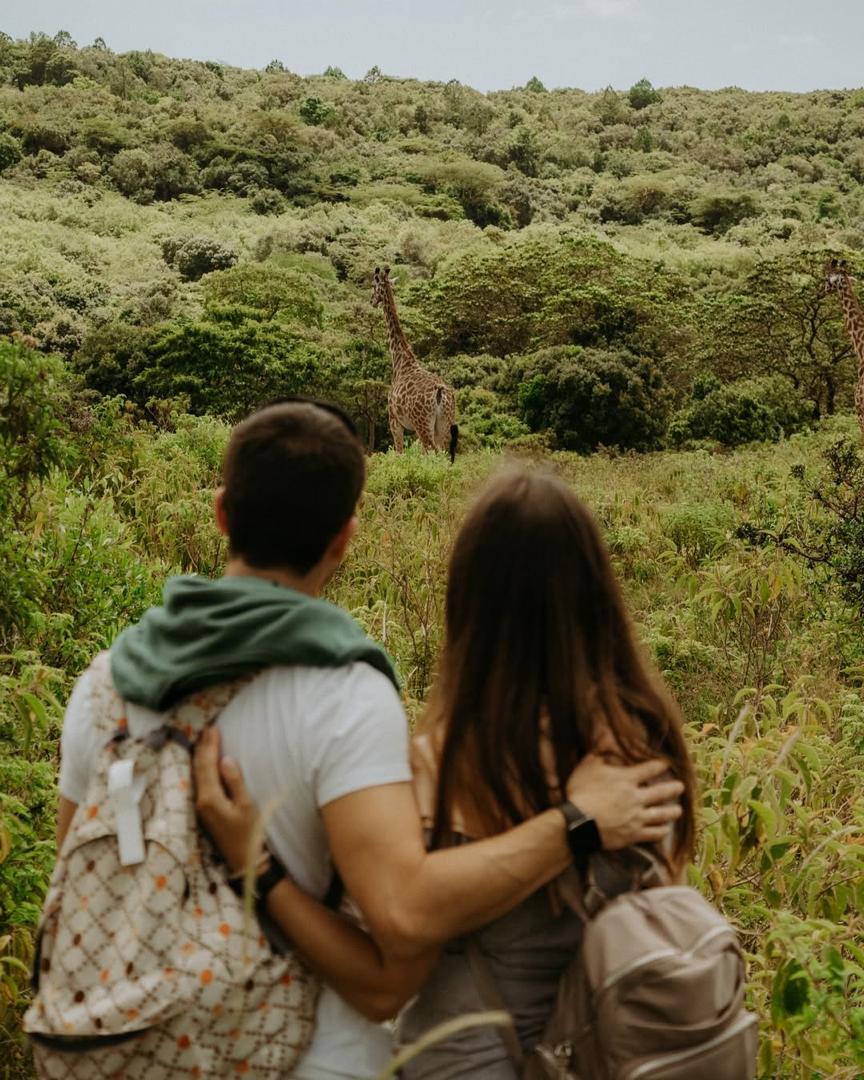
Walking Safari in Tanzania
Walking Safari in Tanzania: Everything You Need to Know
If you’ve ever dreamed of experiencing Africa in the most intimate, authentic way possible, a walking safari in Tanzania is the adventure that stays with you long after you leave the savannah. It’s not just another activity to tick off; it’s an immersive journey where you slow down, feel the land beneath your feet, hear the whispers of the wilderness, and see wildlife in a way that a vehicle cannot offer. Walking safaris place you right in the heart of nature, letting you experience the bush as the early explorers did.
What Is a Walking Safari?
A walking safari is a guided adventure on foot, accompanied by trained naturalists and armed rangers for safety. Unlike game drives, you are not separated by metal, glass, or the hum of a vehicle. You walk slowly across the earth, following animal tracks, observing plants, and sometimes spotting wildlife at very close distances. The pace allows you to notice the smallest details—the rustle of dry grass as a giraffe moves, the sharp call of a hornbill, or the scent of wild herbs crushed beneath your shoes.
Walking safaris are less about chasing the Big Five and more about connecting with nature. They allow you to experience the environment with all your senses, to understand the ecosystem, and to witness wildlife behavior that is often invisible from a vehicle. This quiet exploration creates a deeper, more personal connection to the bush.
Why Choose a Walking Safari?
Walking safaris offer a perspective that is both unique and unforgettable. Seeing wildlife at eye level is a powerful experience. Watching zebras grazing nearby, giraffes browsing on acacia trees, or elephants moving slowly in the distance allows you to truly appreciate the scale and grace of these magnificent animals. Guides add enormous value, sharing knowledge about animal behavior, plant life, and local traditions that you wouldn’t encounter on a typical safari.
Walking safaris also create a sense of adventure. There is a thrill in stepping into the wilderness on foot, moving quietly across open plains or dense forests, where every sound and movement carries meaning. It is a slower, more intimate way of traveling that encourages awareness, reflection, and a deeper appreciation for the natural world. For eco-conscious travelers, walking safaris are ideal because they leave minimal impact on the environment and promote responsible tourism.
Top Destinations for Walking Safaris in Tanzania
Tanzania is home to some of Africa’s most iconic wildlife destinations, and many of these parks have areas designated for walking safaris. Each location has its own character, wildlife, and terrain, offering diverse experiences for travelers.
Serengeti National Park
The Serengeti is world-famous for its vast plains and annual migration spectacles. Walking safaris here take place in quieter zones where you can explore without the crowds. As you walk, the endless grasslands stretch around you, scattered with acacia trees. You may follow herds of zebras, wildebeest, or giraffes, noticing the smaller creatures along the way. The expansive scenery, the gentle sounds of the wilderness, and the occasional sighting of predators in the distance make walking in the Serengeti unforgettable.
Ngorongoro Conservation Area
Ngorongoro offers a completely different kind of walking safari. Guided walks along the crater rim provide breathtaking views over one of Africa’s most famous calderas. For those seeking a more challenging experience, hiking into Empakaai Crater takes you through forests filled with birdlife before reaching the soda lake below, where flamingos often gather. Walking here combines adventure, beauty, and the thrill of exploring dramatic landscapes.
Tarangire National Park
Tarangire is renowned for its majestic baobab trees and large elephant populations. Walking safaris in this park allow you to experience its rugged beauty up close. Termite mounds dot the landscape, colorful birds perch on thorny branches, and elephants or buffalo may be spotted in the distance. The dry season offers the best opportunity for clear sightlines, but the park is remarkable year-round for its wildlife and distinctive scenery.
Arusha National Park
Located just outside Arusha town, this park is ideal for shorter walking safaris. The terrain varies from forested slopes to open plains, and wildlife encounters are frequent. Giraffes, buffalo, monkeys, and a wide variety of birds are common sights. The Momella Lakes provide vibrant splashes of color, particularly when flamingos flock there, making for an enchanting walking experience.
Nyerere National Park (Selous Game Reserve)
For those seeking remote wilderness, Nyerere National Park in southern Tanzania is unmatched. Multi-day walking safaris here provide true isolation and the feeling of being in untouched nature. Large elephant herds, hippos in rivers, crocodiles on the banks, and even African wild dogs can be observed. The vastness and remoteness of Nyerere give visitors a sense of freedom and adventure like no other.
Ruaha National Park
Ruaha is one of Africa’s largest and most untouched parks. Walking safaris here are raw and thrilling, with dramatic landscapes and an abundance of wildlife. Lions, elephants, and large herds of herbivores roam freely across its plains. Walking here feels like stepping into a truly wild and timeless African wilderness.
When to Go on a Walking Safari
The dry season, from June to October, is the best time to enjoy walking safaris. Vegetation is thinner, wildlife congregates around water sources, and walking conditions are easier. The green season, from November to May, brings taller grasses and occasional rain, which can make spotting animals more challenging, but the scenery is lush and vibrant, offering a peaceful alternative experience.
How Long Do Walking Safaris Take?
Walking safaris vary in duration depending on your preferences and the park. Short walks usually last between one and three hours and are ideal for half-day excursions. Longer walks can extend beyond four hours, sometimes turning into multi-day adventures with mobile camps or tented lodges in remote areas. Regardless of the duration, the pace is gentle, allowing time to observe wildlife, enjoy the scenery, and learn from your guide.
Fitness Level and Accessibility
Walking safaris are designed to be accessible to most travelers. You don’t need to be extremely fit to enjoy them, as the pace is generally slow and relaxed. The goal is not to cover long distances quickly but to move thoughtfully through the environment. Walks include breaks to observe wildlife, drink water, and even enjoy a traditional cup of African tea. Guides and armed rangers ensure safety and support throughout the walk, so travelers of moderate fitness can fully enjoy the experience without stress.
What to Pack for a Walking Safari
Packing wisely makes the difference between a comfortable, enjoyable walk and a tiring, uncomfortable one. Neutral-colored clothing such as khaki, olive, or beige helps you blend into the environment. Comfortable walking shoes are essential, along with a hat for sun protection, sunglasses, sunscreen, and insect repellent. A light jacket is useful for early mornings or cooler evenings. Binoculars are invaluable for birdwatching, and a camera with a zoom lens allows you to capture wildlife moments without disturbing animals. Bringing a refillable water bottle ensures you stay hydrated, which is particularly important in the heat.
Safety on Walking Safaris
Safety is always a priority. Walking safaris in Tanzania are conducted with licensed guides and armed rangers who are trained in both wildlife behavior and emergency response. Before the walk begins, guides provide a safety briefing that covers how to behave around animals and what to expect. Groups are kept small to ensure everyone is safe and well cared for. The objective is to observe wildlife without disturbing it, maintaining a respectful and safe distance at all times.
What You Will Experience on a Walking Safari
A walking safari is a sensory adventure. You feel the ground beneath your feet, hear the soft whispers of the wilderness, and notice details that a vehicle often hides. You learn to read tracks, spot nests, identify plant species, and understand the subtle signs of animal behavior. You see, smell, hear, and feel Africa in a way that creates lasting memories. Every encounter, from a distant elephant herd to a fleeting glimpse of a hornbill, feels personal and real.
Choosing the Right Guide
The quality of your walking safari often depends on the expertise of your guide. Experienced guides not only know where to find wildlife but also understand animal behavior, ecology, and safety. Choosing a local operator, such as Kale Voyage Expeditions, ensures you are accompanied by knowledgeable professionals who are familiar with the terrain and have years of experience in delivering safe, immersive, and educational walking safaris. Their guidance enhances every step of the journey, making the experience richer and more memorable.
Final Thoughts
A walking safari in Tanzania is more than just a tour; it is a journey into the wild heart of Africa. It is a chance to slow down, reconnect with nature, and experience wildlife from a perspective that few get to enjoy. Whether walking through the endless plains of the Serengeti, exploring the crater rims of Ngorongoro, or venturing into the untouched wilderness of Ruaha and Nyerere, every step tells a story. Walking safaris are accessible, safe, and deeply rewarding, offering travelers a level of intimacy with the bush that is impossible to replicate in a vehicle. They are an adventure for the senses, the mind, and the soul, and they create memories that last a lifetime.
For anyone planning a Tanzanian safari, including walking safaris in your itinerary is a decision you will never regret. With careful preparation, the guidance of expert professionals, and a spirit of curiosity and adventure, a walking safari becomes not just an activity, but a transformative experience. And the best part? It can be tailored to every budget, from comfortable lodges to tented camps in the wild, ensuring that every traveler can enjoy this unforgettable adventure with ease and comfort.